
UTMB 2026 - What the Numbers Say About the Future of Trail Running
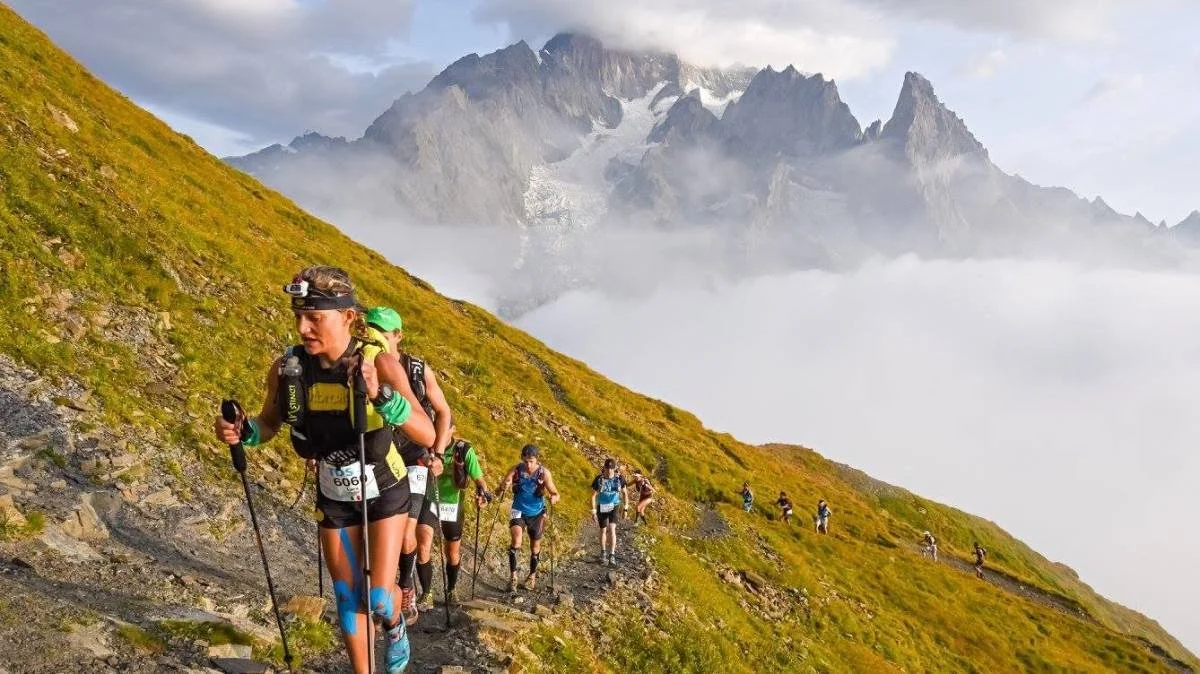
UTMB Chamonix. Source : Visit Chamonix
As the dust settles after the release of the 2026 UTMB World Series Finals draw statistics, it’s clear that the world’s most prestigious trail race is entering a new era. Participation trends are shifting, environmental priorities are sharpening, commercial questions are rising, and the sport continues its rapid evolution. Below, we break down the major developments shaping the future of competitive trail running.
1. The Rise of Female Participation: A Quiet Revolution Becomes Visible
The uptick in female participation is one of the strongest storylines emerging from recent UTMB data. According to UTMB’s global 2024 figures, female participation grew from 25% to 29% year‑over‑year—a significant shift in a discipline historically dominated by men.
This rise aligns with a broader movement in trail running, where more women are entering, performing at the front, and reshaping competitive expectations. The UTMB Group itself has announced new measures to encourage more women to participate and tackle longer distances, signaling sustained institutional support for this momentum.
Additionally, the 2024 UTMB season saw standout achievements:
Katie Schide set a course record in the flagship UTMB race, cementing her status among the sport’s best.
Courtney Dauwalter, despite skipping UTMB, dominated races across the UTMB circuit and continued setting new course records globally.
These milestones reflect not only participation but excellence—women are not just entering the sport; they are redefining its upper limits.
2. UTMB’s Mounting Focus on CO₂ Emissions and Environmental Responsibility
Environmental stewardship has become central to UTMB’s identity, and the new 2026 draw data reflects a significant shift in community behavior.
For the first time, two‑thirds of all runners opted for the “low‑carbon travel” commitment, which granted a 30% increase in their chances in the draw. This came as part of the UTMB Responsible Mobility Policy, aimed at lowering the event’s carbon footprint by 20% by 2030.
Key environmental insights from the new data:
Participants collectively contributed €250,000 in carbon contributions, covering emissions for their full return travel.
The policy directly incentivizes runners to avoid car travel and embrace public or shared mobility options.
Despite 29,000 applications, the number of bibs remains unchanged to protect fragile alpine environments and local communities.
These efforts show UTMB’s attempt to balance global popularity with environmental responsibility—an increasingly urgent challenge as the sport grows.
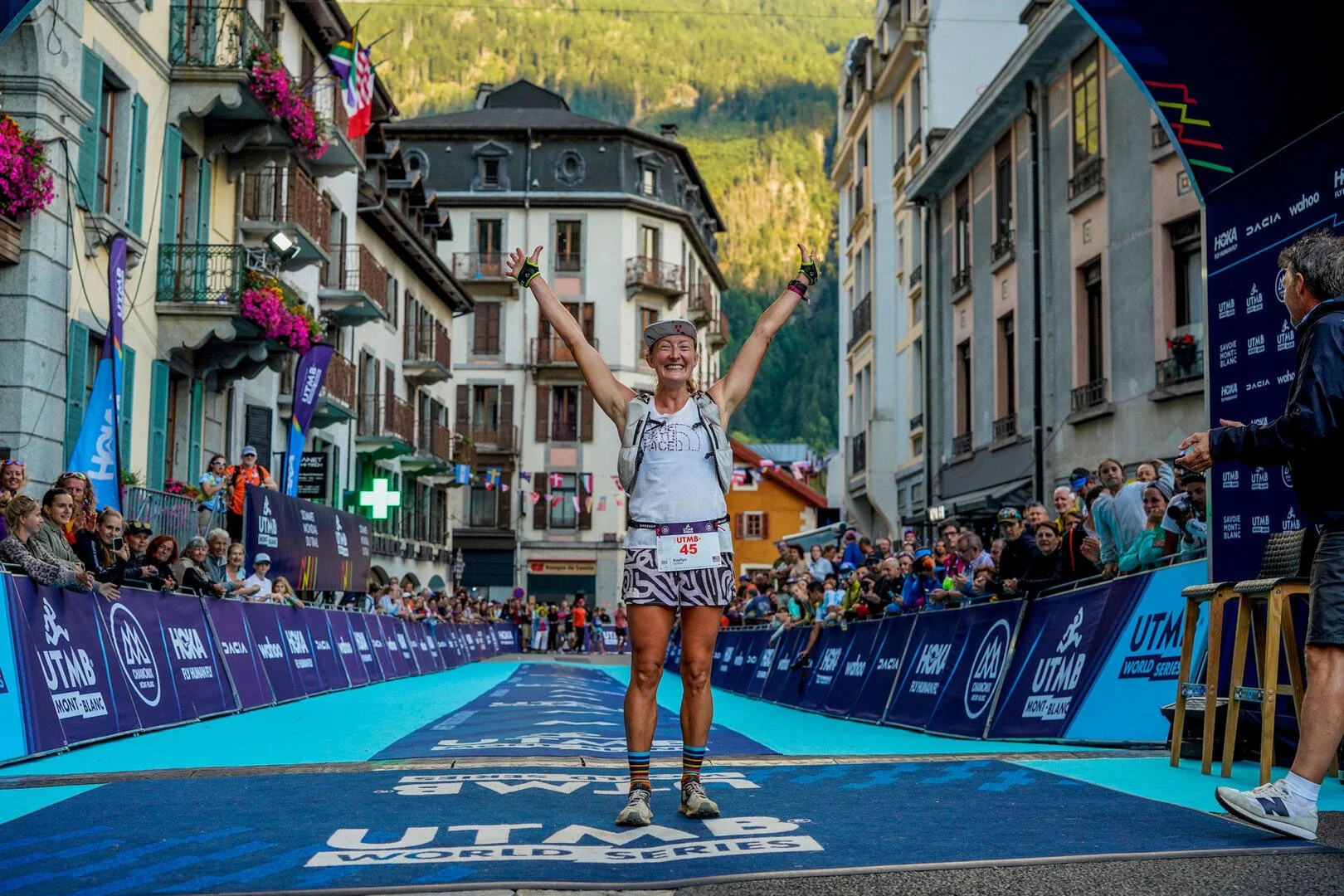
UTMB Chamonix. Source : Visit Chamonix
3. The Commercialization of UTMB: A Double‑Edged Sword
UTMB is now the world’s most commercially recognized trail event. Its partnerships with global brands, the expansion of the UTMB World Series, and its rising media presence have transformed the sport—but not without friction.
Pros of Commercialization
Global visibility: UTMB’s World Series model has launched trail running onto a global stage, with more than 50 qualifying events worldwide by 2025.
Higher competitive standards: Increased sponsorship and professionalization have led to tighter finishing windows, especially among elite athletes. Data from OCC, CCC, and UTMB show a clear trend of faster top‑10 times year over year.
Stronger infrastructure and safety: More media, more marshals, more logistics.
Cons of Commercialization
Lottery frustration: Rising demand (+16% for UTMB, +14% for CCC, +16% for OCC compared to 2025) means many passionate runners never get a bib.
Concerns about “corporatizing” the sport: Purists worry UTMB’s expansion risks overshadowing grassroots ultrarunning culture.
Environmental tension: Although steps are being taken, more participants, crews, and media create greater ecological strain.
Commercialization may bring stability and growth—but it also risks diluting the soul of the sport if not managed deliberately.
4. The Future of Competitive Trail Running: Faster, Tighter, and More Global
Based on recent data, the competitive future of trail running is shifting in four key ways:
The field is tightening dramatically
Recent statistical analysis shows that the top finishers in OCC, CCC, and UTMB are closer together than ever before. The 2025 men’s OCC race had the closest top‑5 and top‑25 finishes in history, while women’s CCC 2025 delivered one of the tightest packs ever.
International diversity continues to rise
In 2024, UTMB featured runners from 118 nations, reflecting the sport’s accelerating globalization.
Athlete professionalism is increasing
Athletes now utilize data, coaching, science‑based training, and year‑long race calendars like never before.
5. Legends Forged on the Final Slopes of Chamonix
Across the years, UTMB has been the birthplace of some of trail running’s most iconic moments and athletes.
Recent legends include:
Katie Schide (USA) – 2024 UTMB champion and course‑record holder, mastering Mont Blanc with precision and strength.
Vincent Bouillard (FRA) – The unsponsored underdog who stunned the world by winning UTMB 2024 under 20 hours. One of the most unexpected victories in the race’s history.
Courtney Dauwalter (USA) – The sport’s modern icon, with course records across the UTMB circuit and a dominance unmatched in recent years.
Earlier eras introduced names like Kilian Jornet, François D’Haene, and Núria Picas—athletes who turned the final climb into legend and cemented the UTMB finish line as the most mythical sprint in mountain running.
Conclusion: UTMB at a Crossroads
The UTMB 2026 draw data paints the picture of a sport undergoing rapid transformation:
More women are racing—and winning.
Environmental responsibility is becoming central.
Commercial expansion is reshaping the sport, for better and worse.
Competition is tighter and more global than ever.
And every August, new legends are carved onto the slopes above Chamonix.
Trail running may be rooted in the mountains, but it’s now surging onto the world stage—with UTMB at the center of its evolution.
